1973drgkumar@gmail.com
Phone : +919990663385
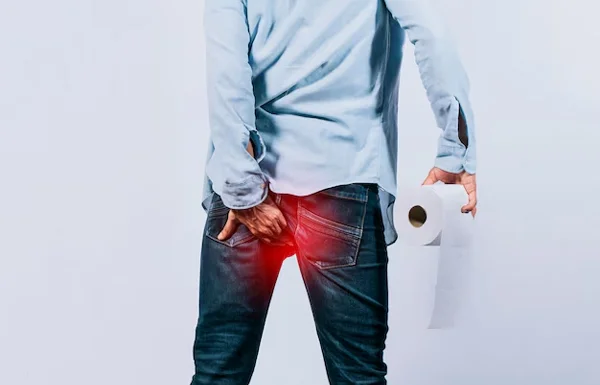
Piles, also known as haemorrhoids, are a common condition that affects many people and can cause discomfort in daily life. Although they are not usually dangerous, they can be painful and irritating if left untreated. Understanding what piles are, why they occur, and how they can be treated is essential for managing the condition effectively.
Haemorrhoids are swollen and inflamed blood vessels in the rectal or anal region. They may develop internally (inside the rectum) or externally (under the skin around the anus). Based on their severity, they are divided into four grades—from mild, painless swelling to more severe cases that may protrude and require medical attention.
Several factors can lead to the development of piles. One of the most common causes is straining during bowel movements, often due to constipation. Chronic diarrhea can also irritate the area and contribute to the problem. Pregnancy increases pressure on pelvic veins, making women more prone to haemorrhoids. Additionally, obesity and a low-fiber diet can increase the risk by putting extra strain on the digestive system.
The symptoms of piles can vary depending on their type and severity. Common signs include itching or irritation around the anus, pain during bowel movements, bleeding after passing stool, swelling, or the presence of a lump near the anal area. In some cases, mucus discharge may also be noticed.
Treatment for piles depends on how severe the condition is. Mild cases can often be managed with simple lifestyle changes such as eating a high-fiber diet, drinking enough water, and avoiding straining. Over-the-counter creams and ointments can help reduce discomfort and itching. Warm sitz baths are also effective in relieving pain. For more advanced cases, medical treatments like rubber band ligation, sclerotherapy, or surgical removal may be recommended by a doctor.

Piles & Fistula Clinic.All Rights Reserved © 2026